


- Why Choose House Extension Construction?
- Planning Your House Extension
- The House Extension Construction Process
- Key Features to Include in Your Extension
- Choosing the Right Builder for Your Project
- Cost Breakdown of House Extensions
- Benefits of a House Extension
- Tips for a Smooth House Extension
- The House Extension Construction Journey
- Conclusion
Why Choose House Extension Construction?
Looking to expand your living space or boost the value of your property? House extension construction can be the ideal solution. Whether you seek more room for a growing family or aim to modernize your home, a well-planned extension is a smart investment. When exploring options, house extension construction provides comprehensive insights into the transformative potential of extending your home. By adding extra space, you can significantly improve your lifestyle and adapt your home to better meet your needs.
Enhancing Living Space
House extensions offer homeowners the unique opportunity to enhance their living space without the need to relocate. Families can enjoy having dedicated areas for different activities, such as open-plan living, home offices, or additional bedrooms. Each of these extensions can be tailored to fit the specific requirements of the family, providing a more personalized living experience.
Increasing Property Value
Investing in a house extension can substantially increase your property’s market value. A well-executed extension not only improves functionality but also enhances aesthetic appeal. Potential buyers are often drawn to properties with modern features and spacious layouts, making a house extension a strategic investment for the future.
Adaptation to Family Needs
As families grow and evolve, so do their needs. A house extension allows you to adapt your home accordingly. Whether it’s adding a playroom for young children, an additional bedroom for teenagers, or a home office for remote work, extensions can create spaces that cater specifically to your current and future lifestyle needs.
Planning Your House Extension
The first step towards a successful house extension is thorough planning. The success of your project largely depends on how well you identify your goals and prepare for the construction process.
Identifying Your Goals
Consider the purpose of your extension. Are you looking to increase living space, create a new kitchen, or perhaps add a luxurious bathroom? Defining your goals will help you and your builder formulate a clear plan. Understanding what you want will streamline the design process and help maintain focus throughout the project.
Budgeting for Your Project
Establishing a budget is essential. Costs can vary significantly based on the size of the extension, the materials used, and the complexity of the design. Engaging with a builder early on can help you get a better understanding of potential costs, allowing you to prioritize essential features and manage expenses effectively.
Understanding Local Regulations
Every region has its own set of building regulations and permitting processes. Melbourne, for instance, has strict guidelines that must be followed for any construction project, including house extensions. Familiarizing yourself with these regulations will help avoid legal complications during and after the construction process.
The House Extension Construction Process
The construction process for house extensions can be divided into several key phases. Understanding these steps will provide clarity and keep you informed throughout the project.
Initial Consultation and Design
The initial consultation is crucial. During this stage, you will discuss your vision with your builder, review your plans, and adjust the design according to your goals and budget. It’s an opportunity to explore various design options and find solutions that fit your needs.
Site Preparation and Foundation Work
Once the design is finalized, site preparation begins. This can include clearing the area and preparing the foundation. In cases where existing structures need to be demolished, careful planning is required to minimize disruption while ensuring compliance with safety regulations.
Framing and Structural Integrity
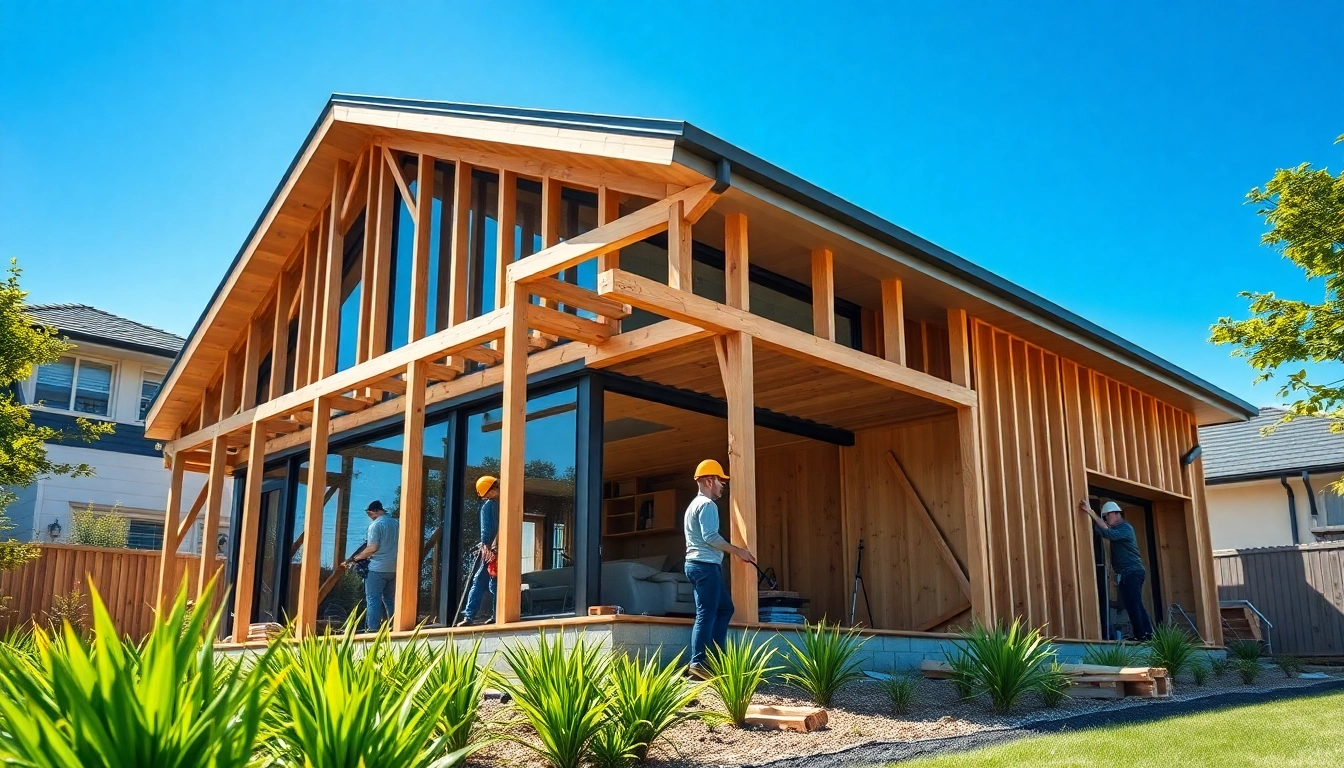
With the foundation in place, the framing of the new space begins. This is a critical phase, as it involves constructing the walls, roofs, and support systems that will ensure the extension integrates seamlessly with the existing structure. Attention to detail here will prevent future structural issues.
Key Features to Include in Your Extension
A well-planned extension combines both style and functionality. Here are some key features to consider:
Open-Plan Living Areas
Open-plan layouts are increasingly popular, especially among modern families. They create a spacious and welcoming atmosphere, allowing for natural light to flow through the home. This design can also facilitate family interaction, making it perfect for gatherings and everyday life.
Modern Kitchen and Bathroom Designs
The kitchen is often regarded as the heart of the home, so investing in a modern kitchen design is essential. Features like smart storage solutions, energy-efficient appliances, and stylish finishes can significantly enhance usability and appeal. Similarly, luxurious bathrooms with walk-in showers and high-end finishes can add a touch of elegance to your home.
Sustainable Building Practices
Incorporating sustainable features into your extension can reduce your environmental impact while lowering utility costs. Consider energy-efficient windows, insulation, and even solar panels, which not only contribute to sustainability but can also increase the overall value of your property.
Choosing the Right Builder for Your Project
Selecting the right builder is a crucial aspect of a successful house extension. With numerous options available, it’s important to take the time to research to ensure quality and experience.
Researching Builder Credentials
Investigate potential builders by reviewing their credentials, qualifications, and previous work. Look for teams that specialize in house extensions and have a proven track record of delivering high-quality results. Client testimonials and case studies can provide valuable insights into a builder’s capabilities.
Evaluating Past Projects
Examine the builder’s past projects to gauge their experience and aesthetic. This can help you understand their style and whether it aligns with your vision. If possible, visit completed projects or speak to previous clients to get their feedback.
Understanding Contracts and Costs
Before signing any contracts, ensure you understand all terms, conditions, and costs involved. A transparent builder will provide a detailed breakdown of expenses, helping you avoid any unexpected fees down the line. Make sure to clarify aspects of the construction process that could affect your budget or timeline.
Cost Breakdown of House Extensions
Understanding the costs associated with house extensions is vital for maintaining your budget. While costs can vary widely, here’s a general breakdown:
- Size of Extension: Larger extensions generally incur higher costs due to the amount of materials and labor required.
- Materials: The choice of materials can significantly impact costs; high-quality finishes will elevate the project price.
- Design Complexity: Customized designs may require advanced construction techniques, which could drive up costs.
- Utility Installation: Adding kitchen and bathroom facilities involves additional plumbing and electrical work, increasing overall expenses.
Benefits of a House Extension
A house extension offers multiple benefits that can positively impact your quality of life:
- Increased Space: Extending your home allows for more living areas, enhancing comfort and functionality.
- Customization: You can design the space according to your preferences, ensuring it meets your specific needs.
- Value Addition: A professionally executed extension can significantly boost your property’s market value.
Tips for a Smooth House Extension
To ensure your house extension goes smoothly, consider the following tips:
Define Your Needs
Before starting, define exactly what you need from your extension. This clarity will guide your discussions with builders and streamline the design process.
Set a Budget
Establish a realistic budget early, accommodating for unexpected expenses to prevent financial strain during the project. Engaging with your builder can help clarify potential costs.
Get Permits and Approvals
Ensure all necessary permits and approvals are obtained before construction begins. This will help you avoid any legal issues or complications down the line.
Hire a Reliable Builder
Choose a builder with a solid reputation and experience in house extensions. A reliable builder will guide you through the process and ensure that the project meets all safety standards and regulations.
The House Extension Construction Journey
From the initial idea to the final touches, the journey of house extension construction can be a rewarding experience. With careful planning and the right builder, you can transform your property into a customized living space that enhances both your lifestyle and property value.
Conclusion
Expanding your home through house extension construction is a significant yet rewarding investment. With the right planning, budgeting, and builders, you can create a space that meets present needs while adding long-term value to your property. By taking a thoughtful approach, you’re setting the stage for a beautiful, functional, and valuable extension that enhances your overall quality of life.